
SA CoParents Align · Professional & Court Tools for Child-Focused Family Resolution
Turning Individual Perspectives Into Child-Focused Alignment
For professionals and courts working with parents experiencing separation, divorce, and co-parenting conflict.
Align is not about more assessments.
Align is about making two perspectives useful.
Professionals
Manage Cases
- Invite parents.
- Assign assessments.
- Generate Joint Reports.
- Identify alignment and differences.
- Prepare Professional Statements.
Have an invitation? Accept Invitation
Invite → Assess → Align → Review → Respond
Moments that matter
Alignment is not about the parents getting along. It is about the child seeing both of them show up — calmly, predictably, together.
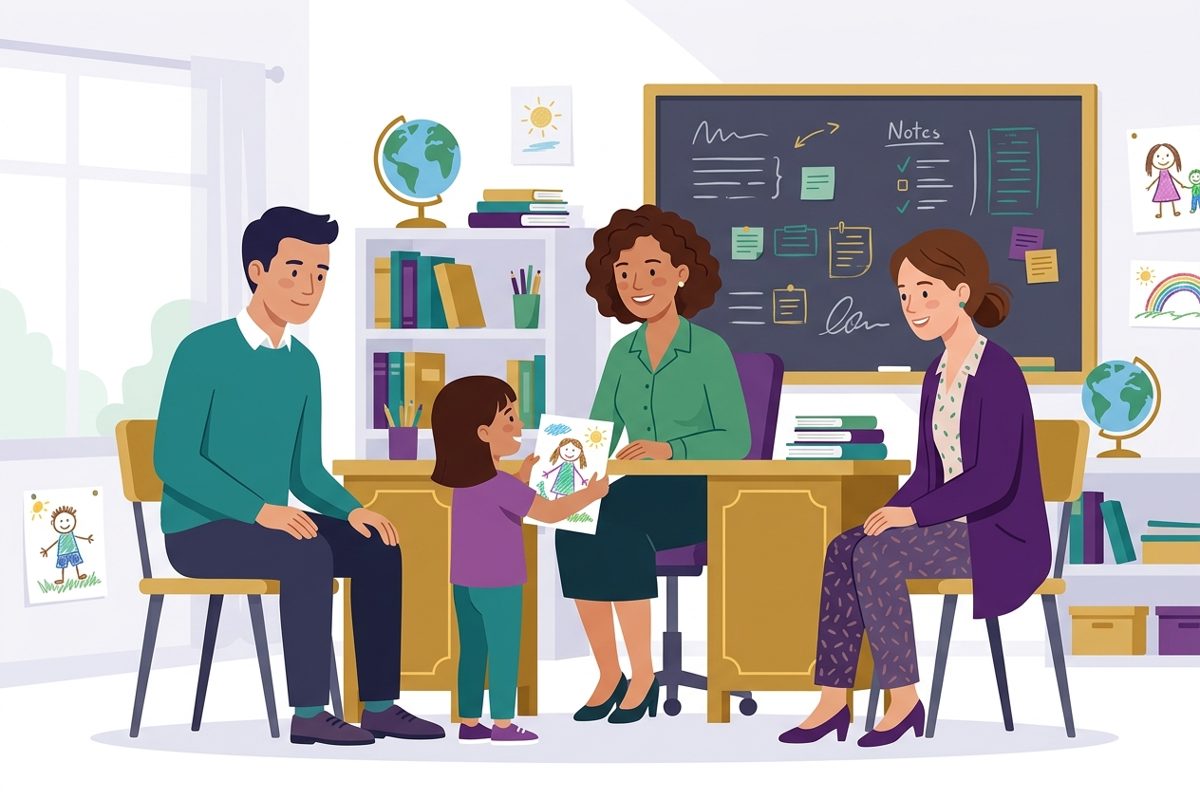
At school
Both parents in the same conference, hearing the same plan.

At the doctor
One shared record of what the child needs — no relaying, no gaps.

At graduation
Two proud parents in the room, and a child who never had to choose.

Aligned
A completed SA CoParents pathway the court can rely on.
How it works · Five steps
Whether a professional opens the case or a court refers it, every matter follows the same five steps.
- 1
Invite
The professional opens the case and invites each parent privately — parents never exchange codes.
- 2
Assess
Each parent completes their own assessment. Neither sees the other's answers.
- 3
Align
Align lines up the two perspectives: shared ground, differences, child-focused issues.
- 4
Review
The professional reviews, edits and certifies every section. Nothing is automatic.
- 5
Respond
Options, resources and a pathway — released only to authorised recipients, frozen and logged.
Four distinctions we never blur
Align organises two perspectives. It does not decide between them — and the report says so at every step.
Assessment ≠ finding
A self-assessment records what a parent reports. It does not establish what happened.
Difference in perspective ≠ fact determination
Two accounts can differ without either being false. This report does not resolve which is accurate.
AI summary ≠ professional opinion
AI drafts only organise wording. Every judgment in this report is the professional's, after review.
Professional report ≠ court determination
This report informs; it does not recommend custody, assess credibility, diagnose, or decide.
The longer view: how a case moves from reflection to agreement
Parent Reflection → Shared Understanding → Professional Alignment → Options & Resources → Agreement → Court Review (when needed)
Not court-ordered: the professional opens the case and invites both parents. Court-ordered: the court sends the professional an invitation to create the reports. Either way, the same five steps follow.
For court-referred cases
A separate, procedural pathway. The professional is the bridge between the court and the parents; judges receive only authorized, frozen submissions.
See the eight procedural steps of a court-referred case
- 1Court Refers Case
- 2Professional Accepts
- 3Professional Invites Parents
- 4Parents Complete Assessments
- 5Joint Report Created
- 6Professional Reviews
- 7Professional Statement Created
- 8Professional Sends Reports to Court
Court accounts are invitation-only. Register a court account · Verify a professional
The SA CoParents Align model
Reflection → Comparison → Alignment → Options → Agreement
Every case follows the same child-centered methodology. The parents' individual reflections become a shared map, and the professional turns that alignment into workable agreement.
Reflection
Each parent reflects privately.
Comparison
Align lines up both perspectives.
Alignment
Shared ground and differences, without blame.
Options
Neutral options and resources.
Agreement
Alignment becomes the foundation.
Reflect Individually. Understand Together. Align Around the Child. Build Agreement.
Sample Reports for Professionals
Condensed previews using fictional data. Every completed report follows the same neutral 10-page structure.
Available Joint Report Subjects
Choose one focused subject, or select several for a Complete Alignment Report.
Family-violence safety screening uses a separate, safety-sensitive process. Individual responses go only to the designated professional and are never exchanged between the parties.
Professional control. Parent privacy.
- The professional creates the case and sends every invitation — parents never exchange codes.
- Each parent reflects privately; one parent's answers are never shown to the other.
- Safety concerns are routed only to the professional, never into an ordinary joint report.
- The report does not decide who is right. It organizes perspectives for professional guidance.
Read the full Confidentiality & Privacy Notice.
Are you a parent?
Individual parent reflections happen in the SA CoParents App. Joint reports are started by your professional — you participate through the secure invitation they send you.
Ready to start a case?